1. Founder-style leadership is really just two things: product sense and coaching.
Not charisma, not “founder mode” as a personality. Product sense is the accumulated expertise of being close to customers, to the business, to the work for a long time. Coaching is your ability to pass it on. Everything else leaders argue about sits downstream of those two.
2. You can’t coach what you don’t have. And you can’t give what was never given to you.
This was the line that stuck. Most weak leadership isn’t bad intent, it’s leaders who simply never experienced good leadership themselves, so they have nothing to pass on except instructions. “Do it because I said so” is what’s left when there’s no product sense underneath. Which means before we hand anyone a leadership role, the real question is: have they done the work well enough to have something worth coaching?
3. The chef analogy is the clearest definition of product sense I’ve heard.
A great cook has two things. Sense: give her any dish she’s never made and it comes out right. Taste: she tastes yours and knows instantly it needs more salt. Nobody is born with either. She built it from years in the kitchen, tasting things that failed. Product sense and product taste work exactly the same way, and you develop them the same way: real customers, real data, real decisions, real failures. Not a book, not a training.
4. So coaching product sense looks like teaching someone to cook.
You don’t hand them a recipe. You create a safe kitchen, you cook together, you taste things that suck and try again. In our world that’s time with customers, time in the data, time with stakeholders. And the tell of a leader who actually has product sense: the questions they ask after a presentation. Not “great job,” but “how long did you cook the chicken.” Deep, specific questions, asked to sharpen your judgment, not to catch you out.
5. The photographer analogy is how I now think about AI.
AI is the iPhone. It lets everyone take a decent photo, and it lets everyone build a decent-looking product. But the iPhone never handed anyone picture sense. The photographer still wins, because the value was never the click, it was the discernment: the angle, and the selection afterwards. That “selection afterwards” is discovery. It’s the part that decides whether a product wins or just exists. AI makes the building cheap, which only raises the value of the taste deciding what’s worth building. The best people in that room cook first, then ask AI what they missed. They don’t ask AI to cook for them.
6. AI can be the coach when your manager isn’t one.
This is the part I keep thinking about for our community. Set up as a product coach, available 24/7 and psychologically safe, AI compresses what used to take three months of onboarding into about three weeks. It doesn’t replace a great manager, but it’s far better than a bad or absent one. The honest takeaway: weak product sense is no longer something you get to blame your manager for.
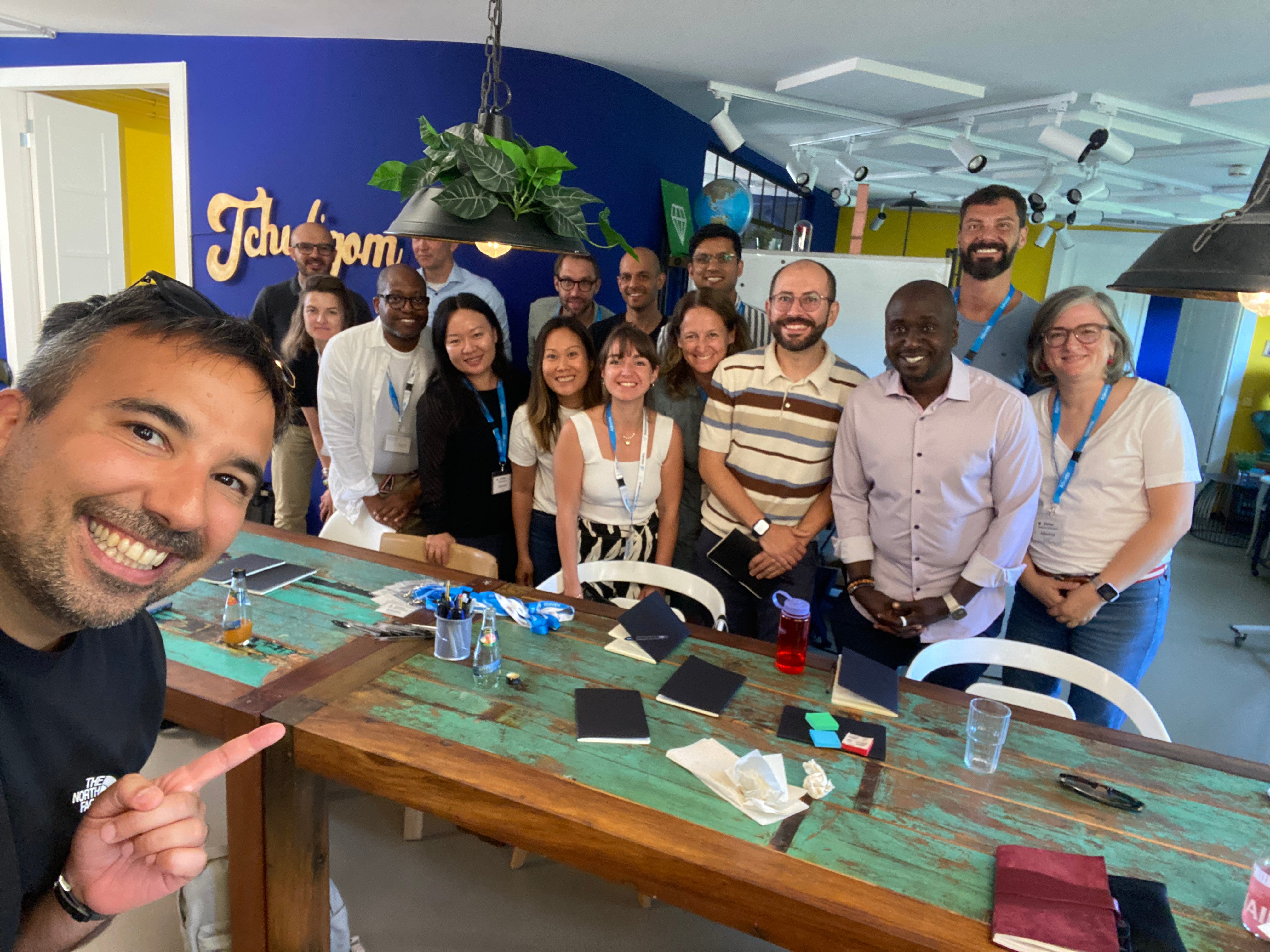
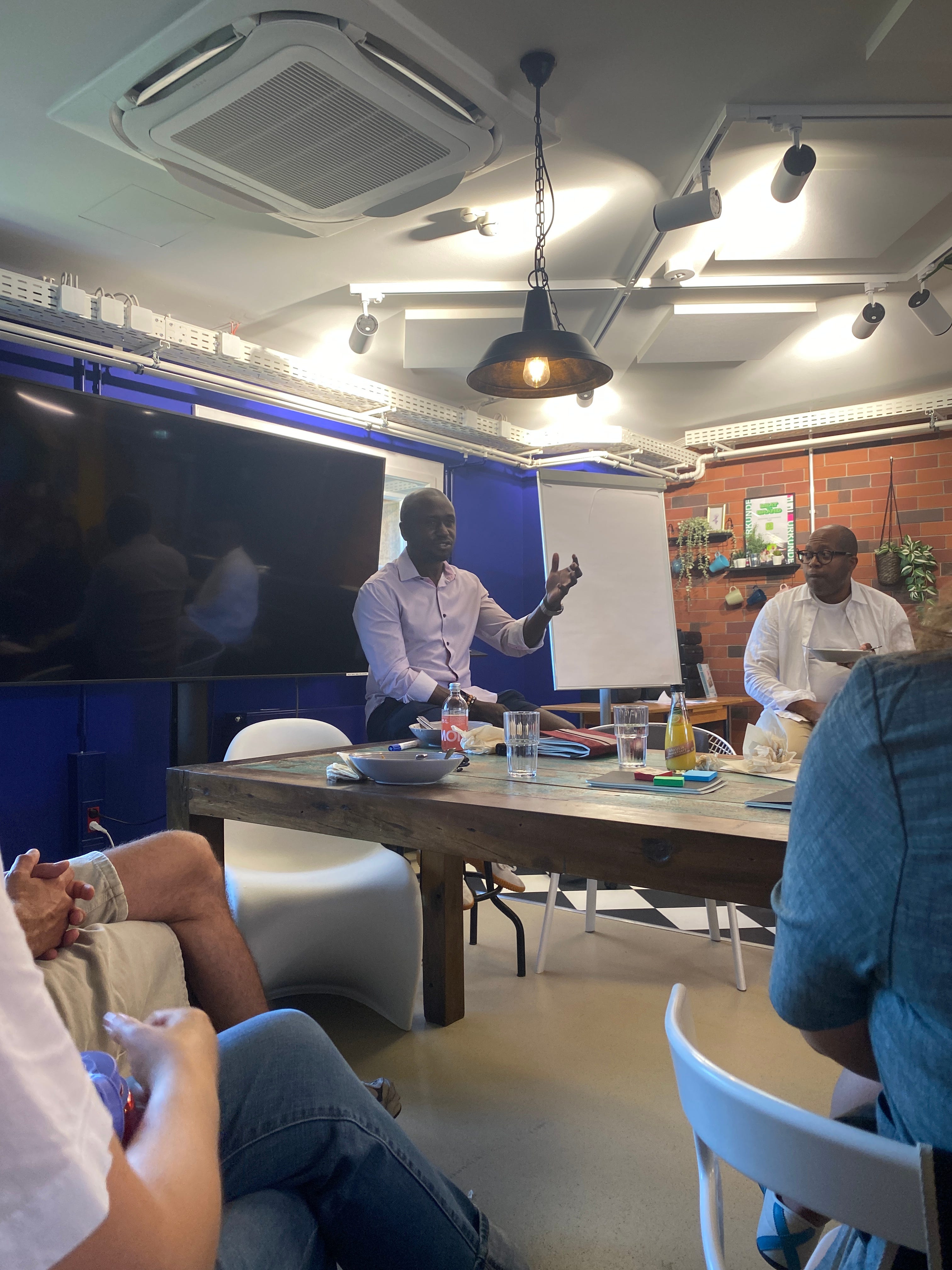
A few thanks to: Salvador Restelli and Christin Schink for opening the doors at mobile.de for a full day, and to Miro for supporting the community event. All the joiners on making in a such hot day. And to Christian Idiodi: the best storyteller I have ever met, humble and crystal clear, the way real leaders are. Thank you!

#95: Everything must change so that everything can stay the same + Win a Ticket for #ProductlabConf