Hi everyone,
Ten days later, my voice is back and my feet have almost forgiven me. The thank-you still comes first, because Productlab Conference 2026 happened thanks to you.
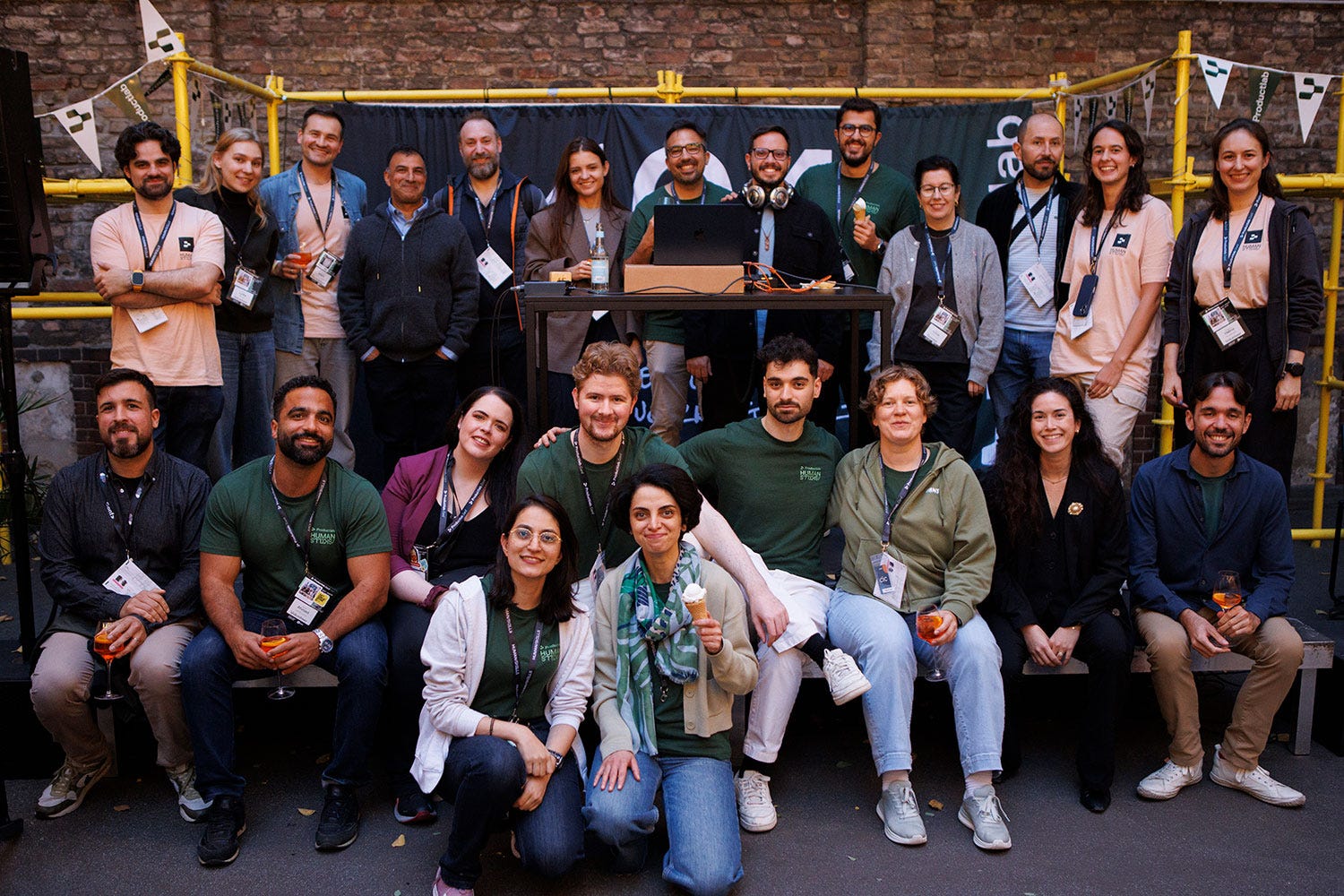
Over 300+ product people came to CIC Berlin on 17 September, and 1K+ on Satellites events and online.. We had three stages, 20 sessions, roundtables in the sponsor lounge and a courtyard photo that took three attempts. Thank you to every speaker, host, volunteer and partner, and to everyone who stayed for the last session instead of heading to the aperitif.
I’ve been going back through the talks, and one idea kept surfacing from people who had never compared notes.
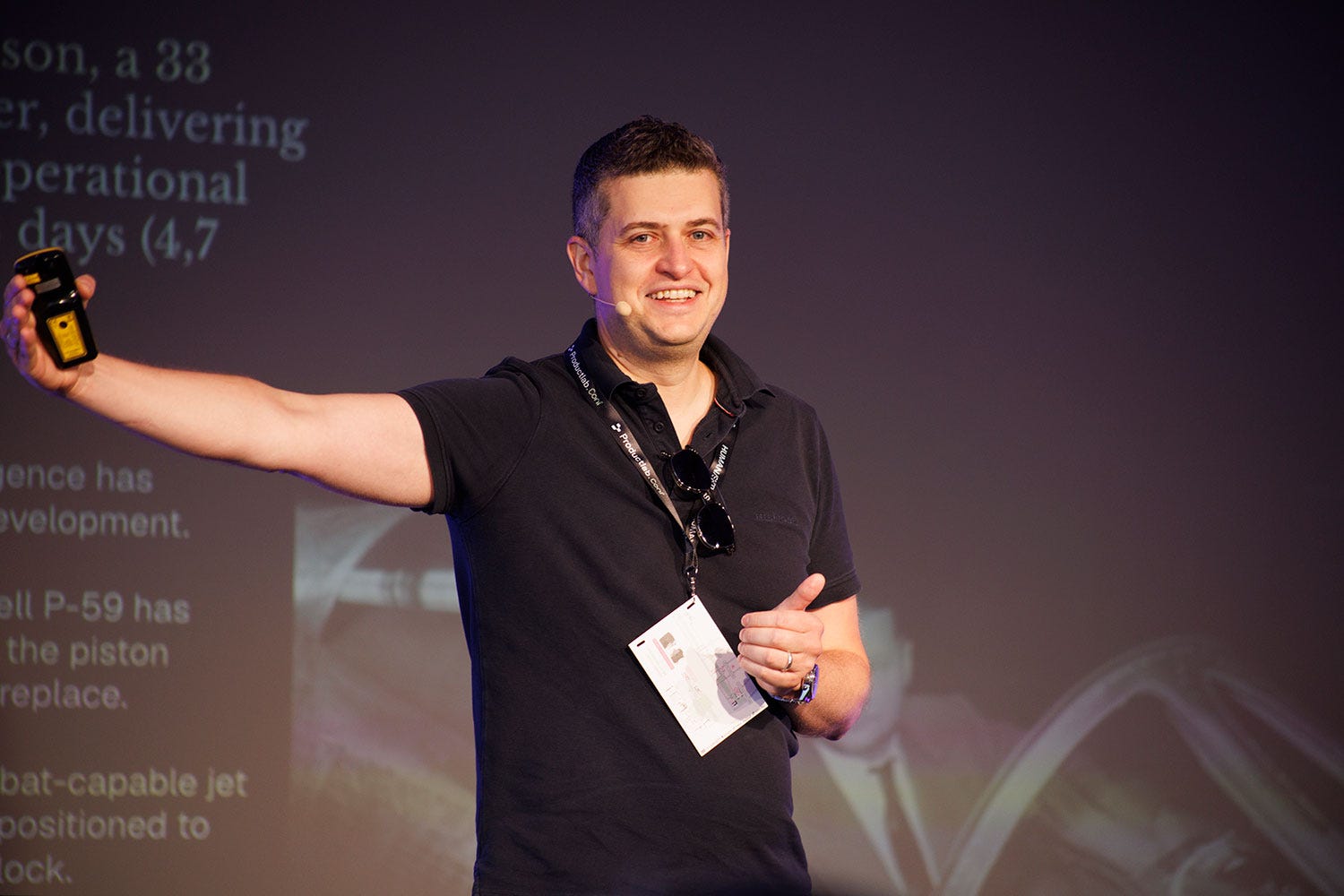
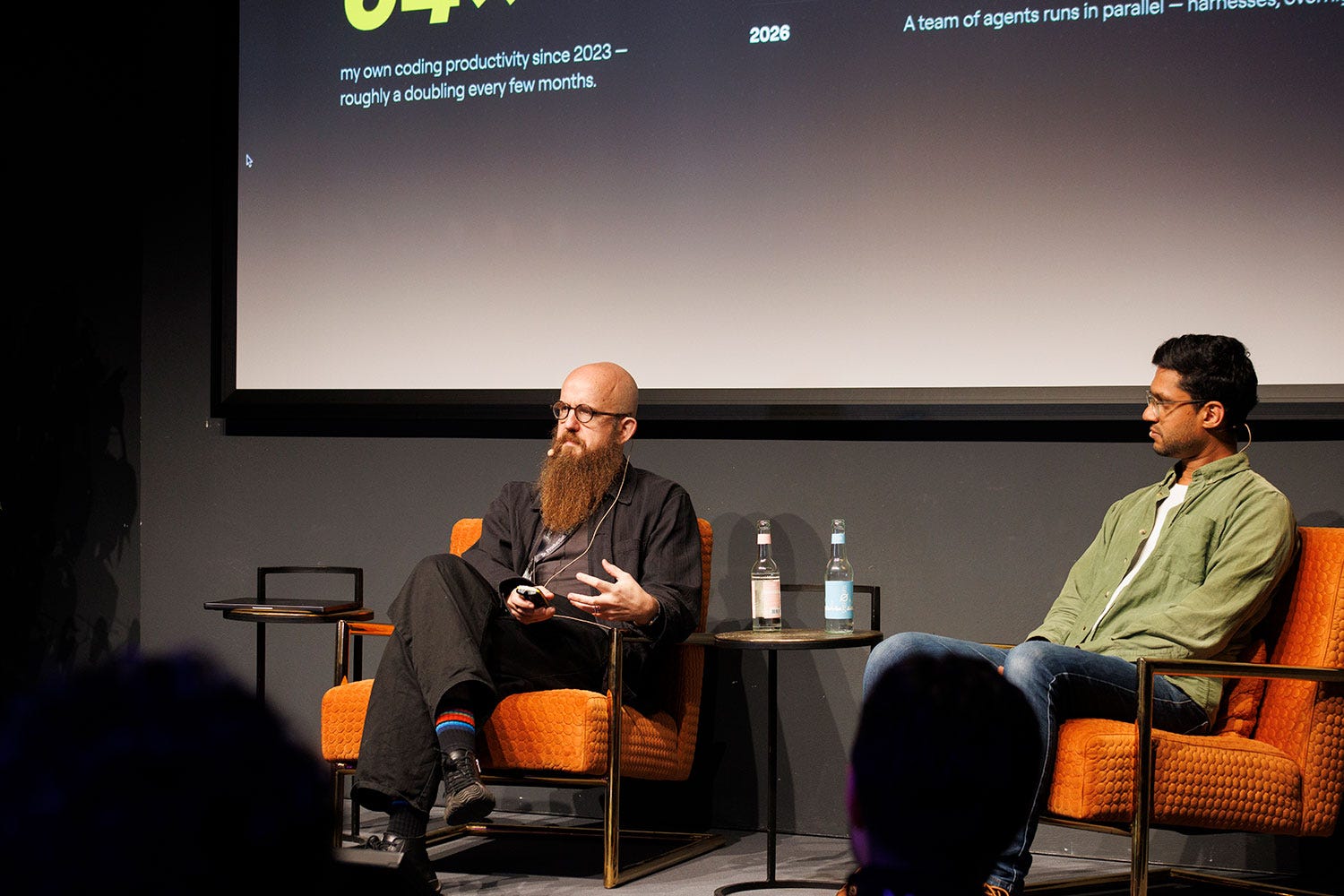
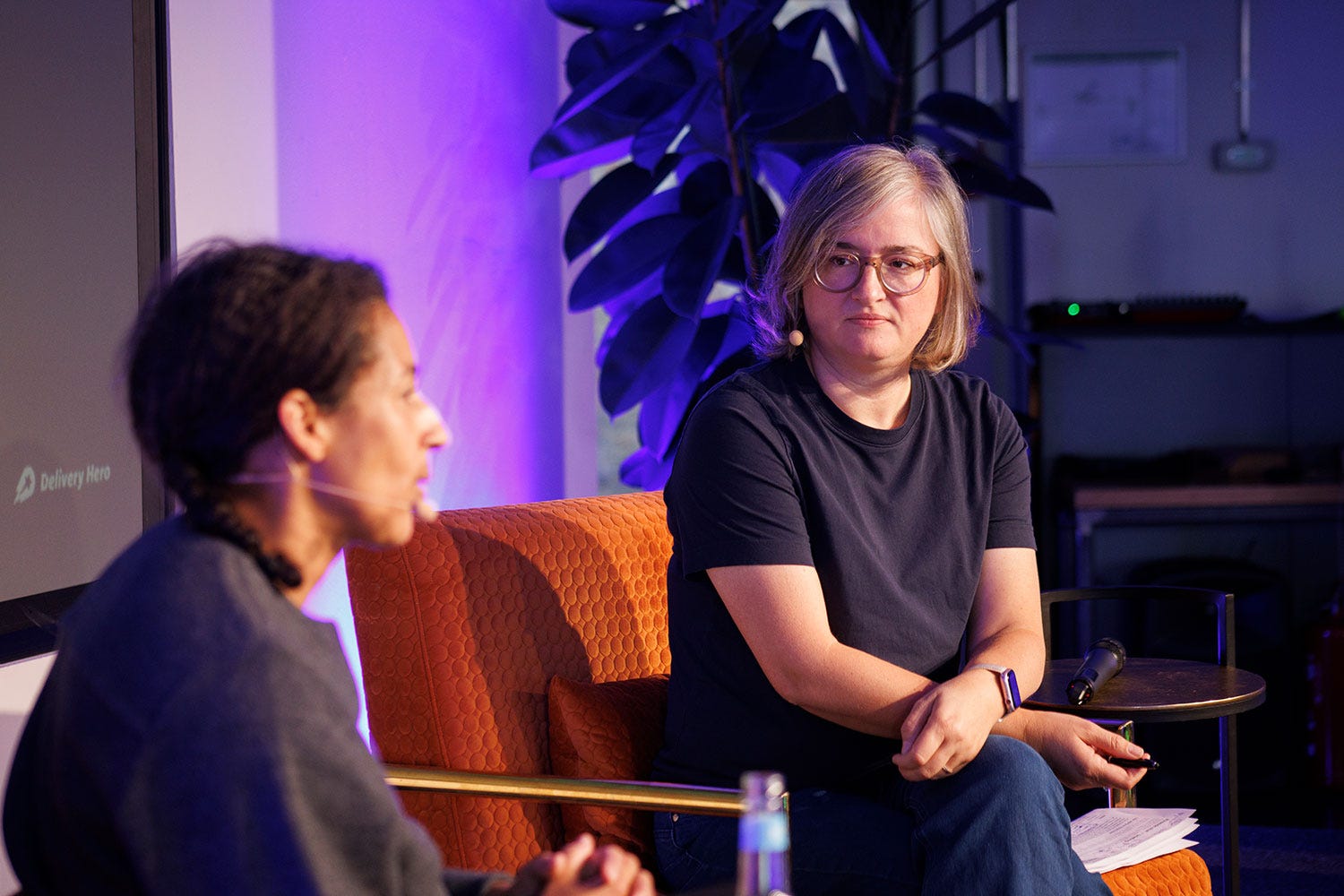
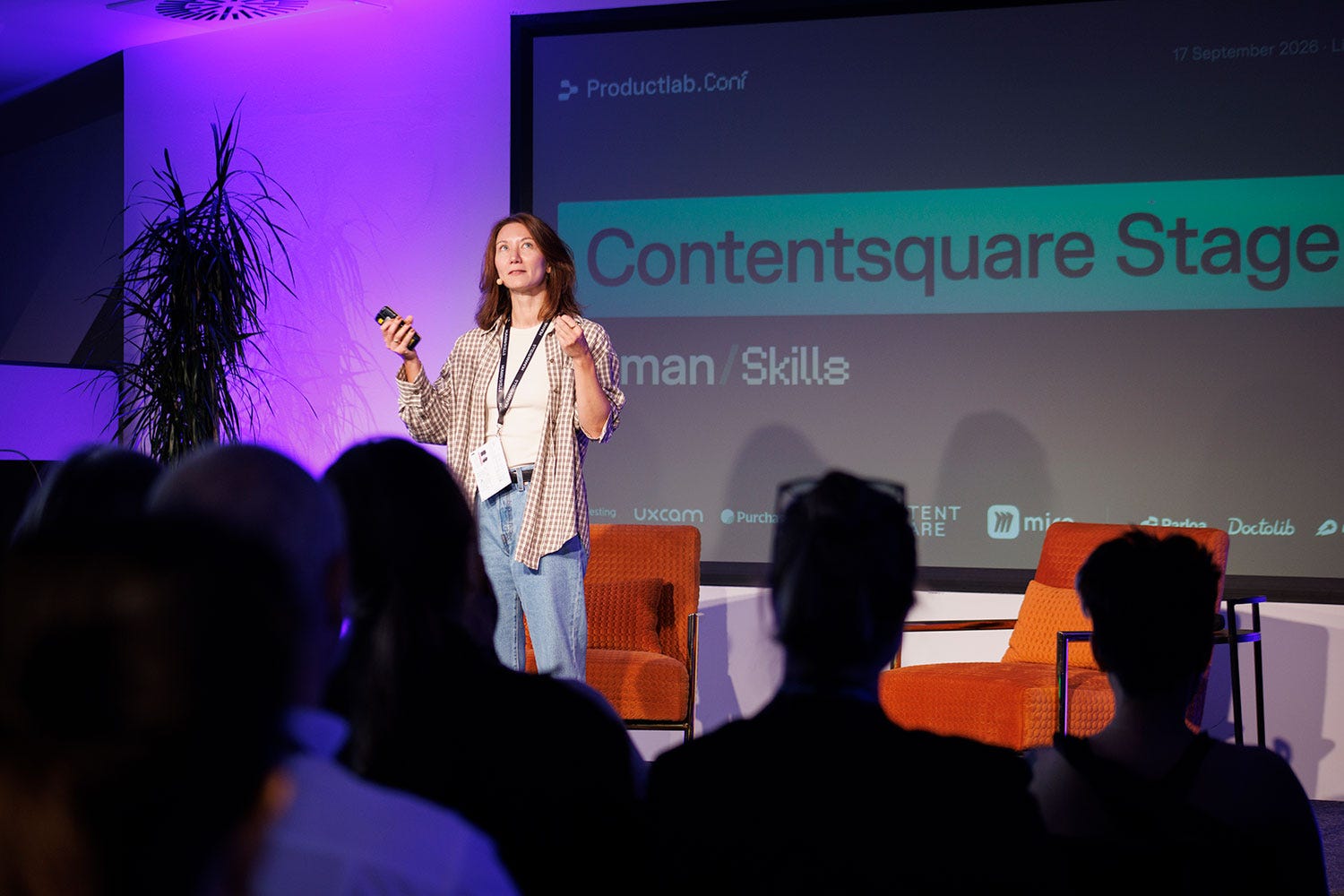
Csaba from Parloa told us his team writes almost all of its code with AI and yet ships only marginally faster. Joe and Vihar described the same gap at Miro, and Diana from Babbel said it plainly: our tools got faster, but our mental capacity didn’t.
Individuals got faster; organisations and people didn’t keep up. The work that matters, like deciding, aligning and actually thinking, still runs at human speed.
Jana opened the day saying good judgment is earned, not prompted. Michelle closed it by asking whether our taste and judgment are even ours anymore. Between those two talks sat a whole day of people trying to protect their time to think.
If you want to go deeper, everything will be on our website before 10 October: the conference recap, the slides, and every talk from all three stages as one cleaned transcript file. You can read it, or load it into your AI and ask it what the speakers said about the problem you’re working on right now.
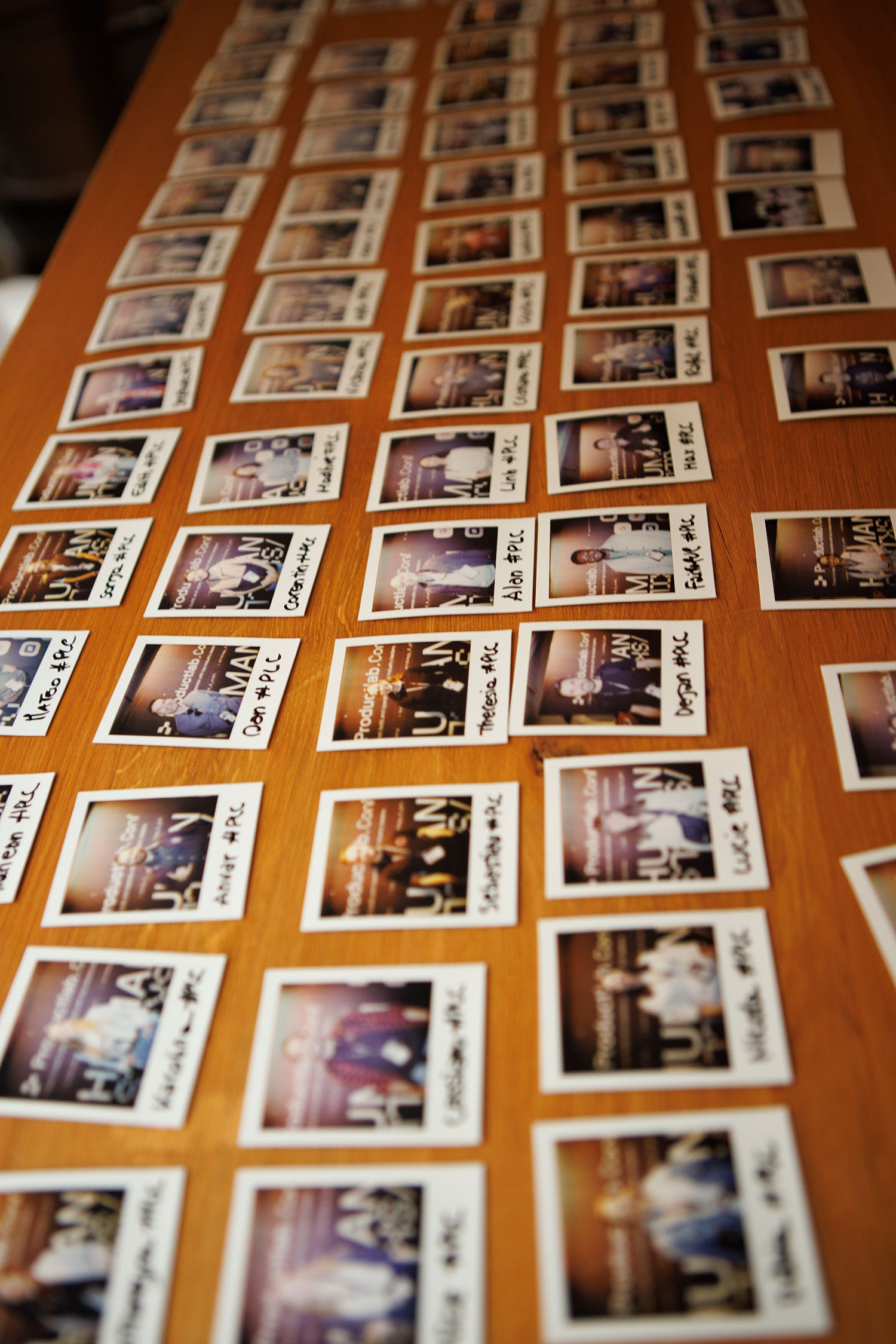
And today a special drop that everyone asked for…. [Thansk Bado for flagging this]
Then I looked at our own calendar and saw we’d fallen into exactly the pattern our speakers warned about.
This year we pushed content hard: newsletters, posts, recaps, the weekly digest of thoughts and top jobs. We got very good at producing, and we left ourselves almost no time to reflect on what any of it meant.
So we’re going to pause.
Running a conference of this quality is a job on its own, and it deserves our full attention before, during and after. We noticed something else too. Much of what our newsletter did each week, collecting ideas and top jobs, is work an agent can now do well, and probably better than us.
What an agent can’t do is build a community. It can’t put the right 30 people in a room, host a dinner where someone finally says the hard thing out loud, or design a day that changes how a team works on Monday. That’s where we want to put our energy.
So here is what changes. The weekly rhythm stops. From now on we’ll write every two weeks or once a month, when we have something worth saying or a new event to announce. Everything will come through the Luma newsletter, which is the one you’re reading now.
We’ll use the quiet to rest, look hard at what worked this year, and decide what Productlab should become in 2027.
What Next…
And one request: lock your calendar for the first week of November & December. We’re preparing something for the people who were part of this year, and the details are coming soon.
Until then, if a talk changed something in how you work, hit reply and tell me. Those are the emails I read first.
Thank you for an incredible year.
Daniele
📰 Product Leaders’ Wisdom
Brought to you weekly by Leila Montazeri
Many product managers dismiss AI as merely a tool like a hammer, expecting predictable control. Andy Masley challenges this view through a physics lens: concepts like "tool" or "human" aren’t fundamental reality. What sets this apart is proving that AI evaluation needs pragmatic behavioral models, not lazy metaphors.
Brian Balfour refreshes his famous Four Fits framework (Product, Market, Channel, Model) after ten years. The key differentiator is its warning on accelerated market inflection: AI upends token economics, SEO distribution channels, and market expectations almost overnight, making fast strategic realignment essential for startup survival.
When AI allows anyone to build features quickly, product coherence becomes tricky. Amy Mitchell argues product judgment can no longer live solely with the PM. The article’s unique takeaway offers four practical team habits—fanning out problems and leveraging AI, to help decentralized builders make unified product decisions.
💪 Open Roles
Brought to you weekly by Alessia Marchi
🎶 Song of the Newsletter
From our DJ Marco D’Avila